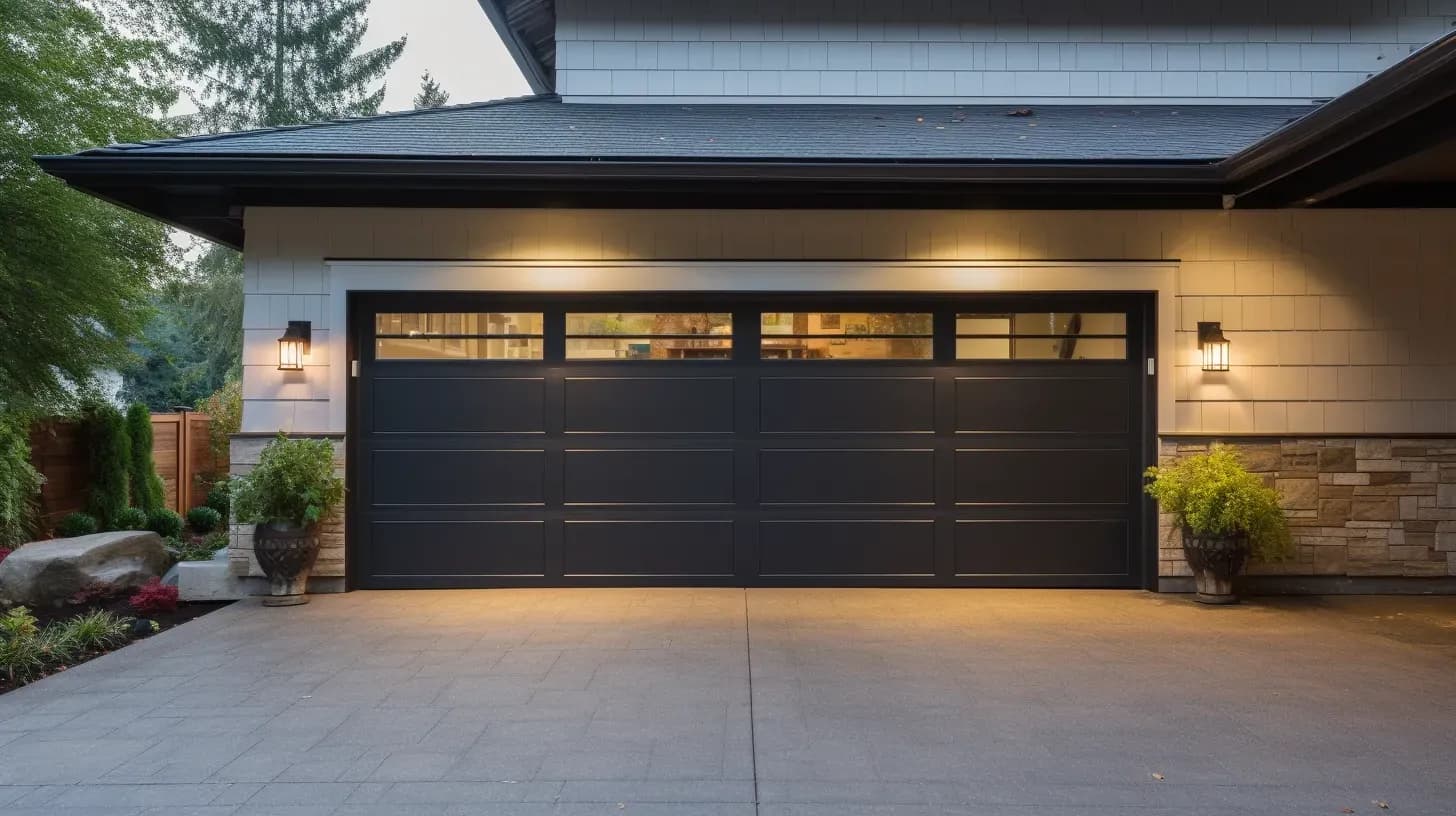
Garage Door Maintenance Checklist for BC Homeowners: Spring/Summer and Fall/Winter Guides
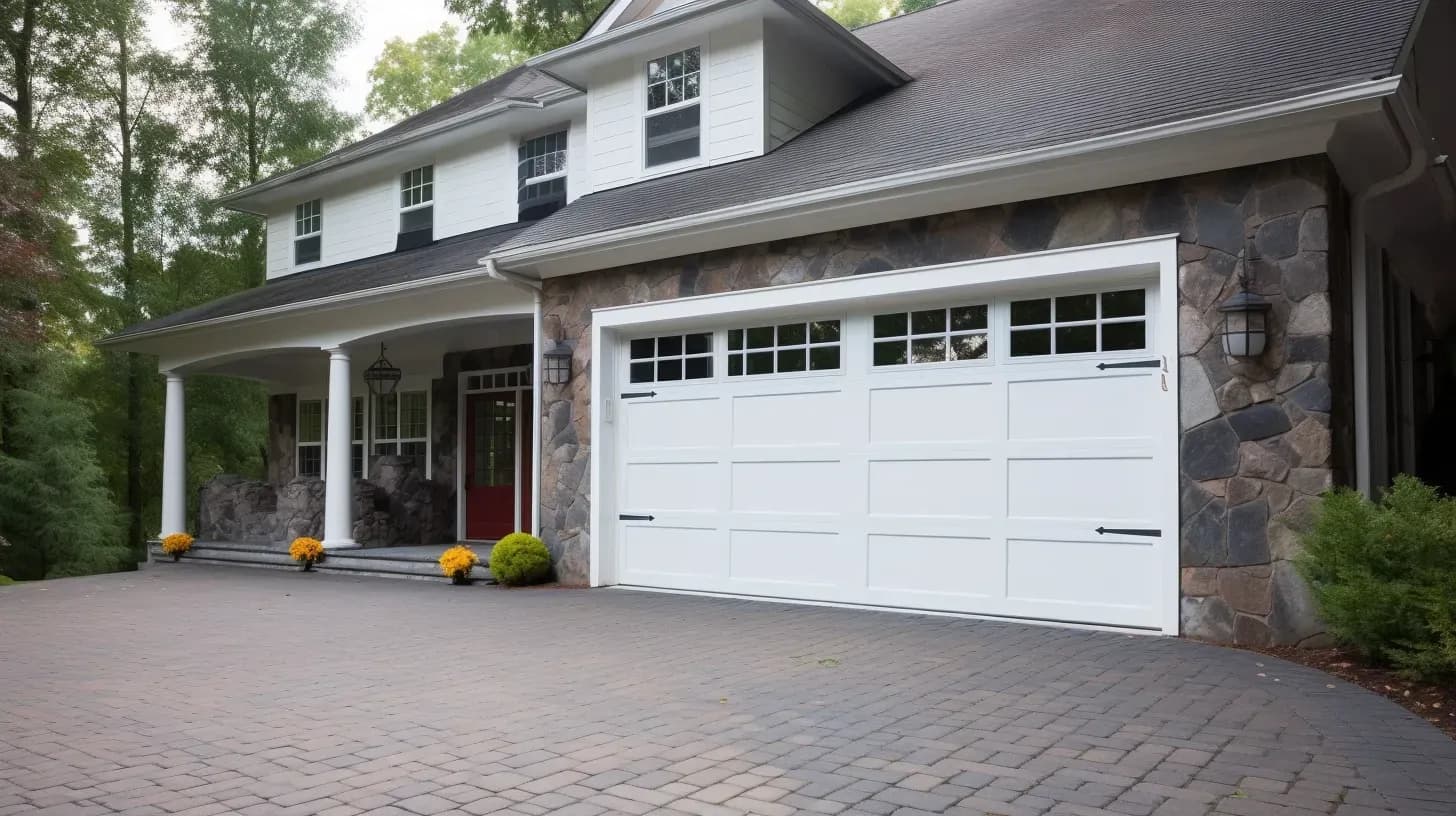
Garage Door Maintenance Checklist for BC Homeowners: Spring/Summer and Fall/Winter Guides
Regular maintenance is the single most effective way to extend the life of your garage door and avoid costly emergency repairs. In Metro Vancouver's climate — with coastal humidity, heavy rains, and occasional winter freezes — seasonal maintenance is especially important.
We've compiled two comprehensive checklists based on 20+ years of service history across Metro Vancouver. Homes that follow these checklists are 60% less likely to need an emergency repair, based on our own customer data.
How to Use This Guide
Each checklist is organized by task. Items marked DIY are safe for homeowners. Items marked PRO should be done by a qualified technician. Budget roughly 30–45 minutes for the DIY tasks and 60–90 minutes for a professional tune-up.
Spring/Summer Maintenance Checklist (March – May)
After winter, your garage door has been through its hardest season. Spring is the time to inspect for damage and prepare for the lighter-use summer months.
Step 1: Visual Inspection of All Components
Who: DIY | Time: 10 minutes
With the door closed, visually inspect:
- Springs: Look for gaps between coils (indicates a broken spring), rust, or visible stretch
- Cables: Check for fraying, rust spots, or loose strands — especially at the drum connection point
- Rollers: Look for cracks, chips, or flat spots on nylon rollers; rust on steel rollers
- Tracks: Check for bends, dents, or debris in the track channel
- Hinges: Look for cracks, especially on the bottom two hinges which bear the most stress
- Panels: Check for dents, cracks, or water damage from winter
Step 2: Clean the Tracks
Who: DIY | Time: 10 minutes
Use a damp cloth to wipe down the inside of both vertical and curved track sections. Remove dirt, cobwebs, and hardened grease. Do not lubricate the tracks — the rollers need friction against the track surface to operate correctly.
Step 3: Lubricate Moving Parts
Who: DIY | Time: 15 minutes
Apply a silicone-based lubricant or white lithium grease to:
- Torsion spring coils (spray along the length)
- Roller bearings (both sides)
- All hinges
- Lock and latch mechanism
- The rail on chain or screw-drive openers
Do not use WD-40 — it's a solvent that strips existing lubrication. Use a dedicated garage door lubricant or silicone spray.
Step 4: Test Door Balance
Who: DIY | Time: 5 minutes
- Close the door completely
- Pull the red emergency release handle to disconnect the opener
- Manually lift the door to about halfway (3–4 feet)
- Release — the door should stay in place, possibly drifting slightly
- If it falls or rises significantly, the springs are out of balance — call a technician
Step 5: Test Auto-Reverse Safety Features
Who: DIY | Time: 5 minutes
Mechanical reverse test:
- Place a 2×4 flat on the ground in the door's path
- Close the door using the opener
- The door should reverse within 2 seconds of contacting the board
- If it doesn't reverse, the force settings need adjustment — this is a safety requirement
Photo-eye reverse test:
- Start closing the door with the opener
- Wave your foot or an object through the sensor beam near the floor
- The door should stop and reverse immediately
- If it doesn't, clean the sensor lenses and check alignment
Step 6: Inspect and Replace Weather Seals
Who: DIY | Time: 20 minutes
Check the bottom seal for:
- Cracks, tears, or gaps
- Sections that are flat or compressed (no longer making contact with the floor)
- Areas where water can enter when it rains
Also check the side and top weather stripping around the door frame. Replace any sections that are cracked or pulling away.
Step 7: Tighten All Hardware
Who: DIY | Time: 15 minutes
Using a socket wrench, check and tighten:
- Track mounting brackets
- Hinge bolts
- Opener mounting bracket
- Roller bracket bolts (except the bottom brackets — those are under spring tension)
Step 8: Professional Spring Tune-Up
Who: PRO recommended | Frequency: Annually
A professional technician should:
- Check spring tension and adjust if the balance test failed
- Inspect cable drums for wear
- Check the bearings on the torsion tube
- Verify winding cone integrity
- Test safety systems with calibrated tools
Fall/Winter Maintenance Checklist (September – November)
Winter is when garage doors fail most often in Metro Vancouver. Do this checklist before the first frost to prevent emergency calls.
Step 1: Repeat the Spring Checklist
Who: DIY | Time: 30 minutes
Run through the visual inspection, lubrication, balance test, and safety tests from the spring checklist. Components wear during summer use and need a fresh pass before winter.
Step 2: Check and Upgrade the Bottom Seal for Winter
Who: DIY | Time: 20 minutes
Winter-specific seal concerns:
- The seal must make full contact along the entire width — even small gaps let cold air, rain, and pests in
- Consider upgrading to a dual-contact or threshold + bottom seal combination for Metro Vancouver's heavy rainfall
- Apply a thin layer of silicone spray to the bottom seal to prevent it from freezing to wet concrete during frost events
Step 3: Apply Rust Prevention to Springs and Hardware
Who: DIY | Time: 10 minutes
After lubricating, spray a light coat of corrosion inhibitor on exposed metal:
- Spring coils
- Cable strands
- Steel rollers and hinges
- Track brackets
This is especially important for coastal homes (Richmond, Delta, Tsawwassen, White Rock) where salt air accelerates rust year-round.
Step 4: Test the Emergency Release
Who: DIY | Time: 5 minutes
- Close the door fully
- Pull the red emergency release cord
- The door should disconnect from the opener and rest on the floor
- Manually lift the door 2–3 feet to test that it moves freely
- Re-engage the trolley by pulling the cord toward the opener or running the opener briefly
This is critical for power outages during winter storms. If the release doesn't work smoothly, have it serviced before storm season.
Step 5: Check Opener Battery Backup
Who: DIY | Time: 5 minutes
If your opener has a battery backup (many LiftMaster and Chamberlain models do):
- Check the battery status light on the opener head unit
- Replace the battery if it's over 3 years old or showing a warning indicator
- If you don't have battery backup, consider adding an uninterruptible power supply (UPS) — Metro Vancouver winter storms regularly cause brief outages
Step 6: Install or Replace a Surge Protector
Who: DIY | Time: 5 minutes
Plug your garage door opener into a surge protector rated for motor loads. Metro Vancouver winter windstorms cause power flickers that destroy opener circuit boards. A $30 surge protector can prevent a $350+ repair.
Step 7: Insulate the Garage Door (If Not Already)
Who: DIY for kits, PRO for full replacement | Time: 1–3 hours for kit
If your garage door is uninsulated and your garage is attached to your home:
- Install a retrofit insulation kit (polystyrene or polyurethane panels that fit between the door sections)
- This reduces heat loss, reduces noise, and helps stabilize temperatures that stress springs and seals
- For the Fraser Valley (Langley, Abbotsford, Chilliwack, Hope) where winter temperatures regularly drop below -5°C, an insulated door with an R-value of 12+ is recommended
Step 8: Professional Pre-Winter Inspection
Who: PRO recommended | Frequency: Annually, September–October
A fall professional inspection should cover everything in the spring tune-up plus:
- Spring cycle life assessment (how many cycles remain before expected failure)
- Cable corrosion check — especially relevant for coastal homes
- Opener force calibration for heavier cold-weather operation
- Weather seal effectiveness test
- Recommendation on proactive replacements (springs, cables) to prevent winter emergencies
Maintenance Schedule Summary
| Task | Frequency | Who |
|---|---|---|
| Visual inspection | Every 6 months | DIY |
| Lubrication | Every 6 months (3× near coast) | DIY |
| Balance test | Every 6 months | DIY |
| Safety reverse test | Every 6 months | DIY |
| Weather seal check | Every 6 months | DIY |
| Hardware tightening | Every 6 months | DIY |
| Track cleaning | Every 6 months | DIY |
| Spring tune-up | Annually (spring) | PRO |
| Pre-winter inspection | Annually (fall) | PRO |
| Rust prevention | Annually (fall) | DIY |
| Opener battery check | Annually (fall) | DIY |
What Maintenance Costs
- DIY maintenance supplies (lubricant, weather seal, surge protector): $40–80/year
- Professional annual tune-up: $70–120
- Combined annual cost: $110–200
Compare this to the average emergency repair cost of $280–450. Regular maintenance pays for itself — and based on our data, homes with annual maintenance are 60% less likely to need emergency service.
Book Your Seasonal Tune-Up
Your Garage Guru offers comprehensive garage door tune-ups across all of Metro Vancouver — from Whistler to Tsawwassen, UBC to Hope. Our technicians check every component and provide a written report of findings.
Schedule your tune-up or call (778) 887-8736. Open 7 days a week, 7am–10pm.