Installation Guides
Beyond the Warranty: What to Look for in High-Quality Garage Door Installation Services in the Fraser Valley
•
8 min read
Beyond the Warranty: What to Look for in High-Quality Garage Door Installation Services in the Fraser Valley
Great warranties matter—but they are only as strong as the team that installs and services your door. If you live in the Fraser Valley (Langley, Abbotsford, Maple Ridge, Chilliwack, Mission, or anywhere between), use this guide to vet garage door installers with confidence.
What a strong warranty actually includes (and what it leaves out)
- Parts vs. labor: Look for at least 3–5 years on springs, cables, and openers, plus 1–3 years on workmanship. Short labor coverage can turn a “lifetime parts” promise into expensive service calls.
- Service response time: Ask how fast warranty calls are scheduled—48 hours or less is a good benchmark for coastal weather where rain can get in quickly.
- Exclusions and fine print: Coastal rust, wind damage, and accidental impact are commonly excluded. Clarify whether hardware finish, weather seals, and windows are covered separately.
- Transferability: If you plan to sell, a transferable warranty adds resale value and signals the installer’s confidence in their work.
- Proof of registration: Many opener manufacturers require product registration; ask the installer to register gear on your behalf and share the confirmation.
Trust signals that matter more than the brochure
- Local permits and code familiarity: Fraser Valley municipalities have specific requirements for fire separation, door wind rating, and electrical placements. Installers should know Langley Township vs. City of Abbotsford rules without needing to “look it up later.”
- Manufacturer partnerships: Authorized dealer status with brands like LiftMaster, Clopay, Amarr, or Steel-Craft often unlocks extended parts warranties and proper training.
- Full-scope quoting: A quality quote itemizes door sections, track type, spring configuration, opener horsepower, safety sensors, weather seals, disposal fees, and optional upgrades (insulation level, quiet rollers, high-lift kits).
- Crew experience and safety: Ask who will be onsite. Look for evidence of spring handling certification, fall-protection training, and WCB coverage.
- References in your microclimate: Request two recent installs in nearby neighborhoods (e.g., Willoughby in Langley or Sardis in Chilliwack) so you can see how their work holds up to local rain and roadway grime.
- Aftercare plan: The best installers schedule a first-year tune-up and lubrication, not just a handoff of the remote.
Signs of a high-quality installation process
- Pre-install assessment: They measure rough openings, headroom, and jamb condition, and confirm electrical supply for openers before booking your slot.
- Balanced spring selection: Springs are sized to your specific door weight and cycle needs; no “one size fits all” swap.
- Plumb and level track setup: Tracks are shimmed to the wall—not over-torqued to the framing—so rollers run quietly and weather seals contact evenly.
- Hardware quality: Nylon rollers, heavy-duty hinges, stainless or galvanized fasteners, and double-bearing end plates for taller doors.
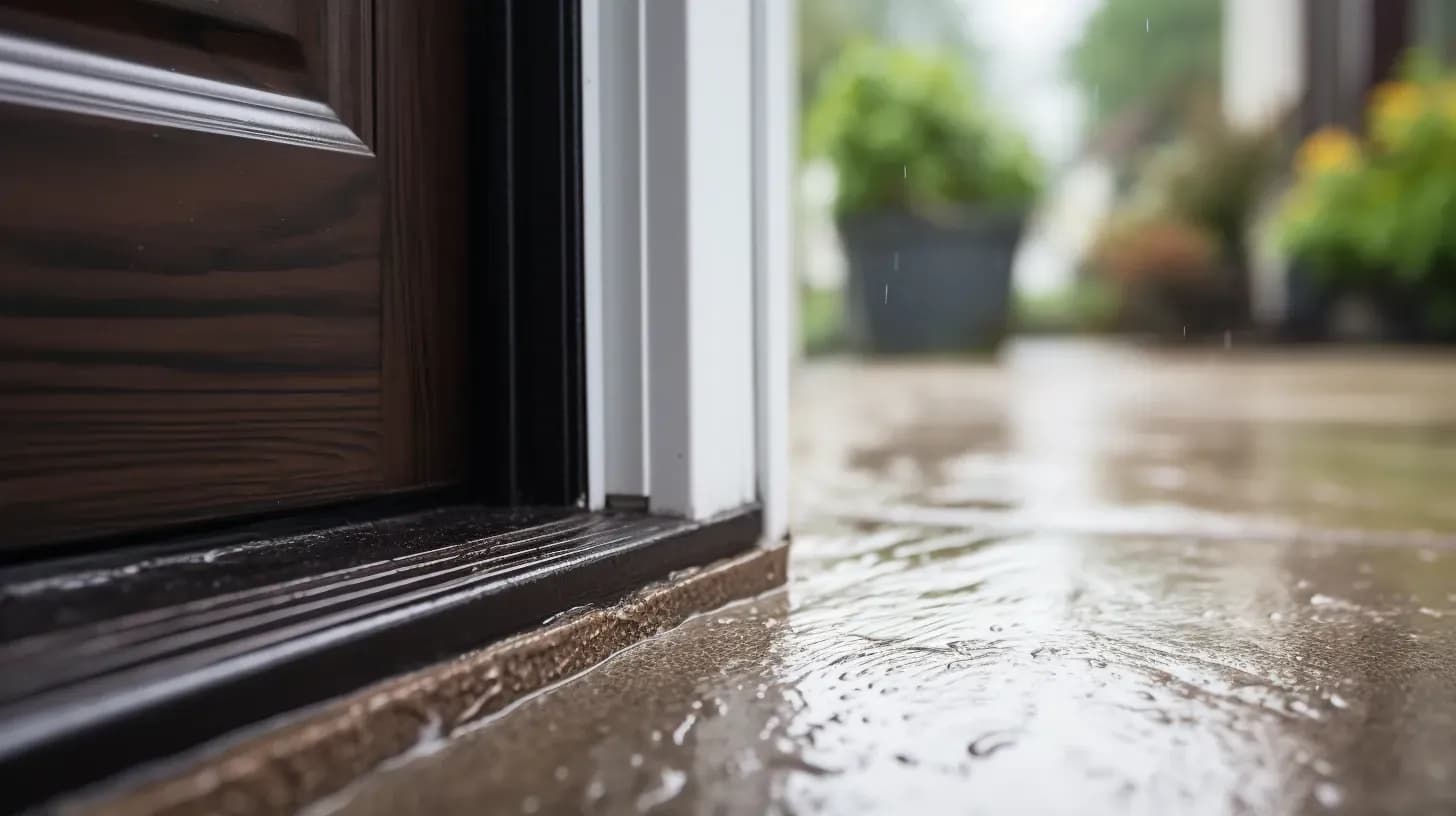
- Weatherproofing: Proper bottom seal compression, side/top perimeter seals, and drip flashing where driveways slope toward the garage.
- Opener calibration: Soft start/stop configured, travel limits set to avoid binding, and Wi-Fi setup completed with you present.
Fraser Valley–specific checklist
- Rain management: Ensure perimeter seals are rated for wet climates; ask about anti-rust coatings for coastal air (especially in Maple Ridge and Mission).
- Wind and temperature swings: Look for doors rated to local wind loads and insulated to at least R-12 for valley winters and summer heat.
- Driveway slope and drainage: If water flows toward the garage, request a retainer/astragal combo and drip edge to prevent ponding at the bottom section.
- Strata and infill requirements: Townhomes in Langley or Abbotsford often require matching panel profiles and quieter belt-drive openers—get written approval before ordering.
- Power resilience: Battery backup openers are smart for storm-related outages; confirm runtime expectations and replacement battery costs.
Key questions to ask before signing
- What is covered under workmanship vs. manufacturer warranty, and for how long?
- Are service calls during the warranty period truly $0, including travel and disposal?
- Which opener horsepower and rail type are you recommending, and why?
- Will you pull required permits or provide documentation for strata/insurance?
- How soon after install is the first tune-up, and is it included?
- Who do I call for urgent issues on weekends or after hours?
Red flags that signal shortcuts
- Vague quotes that bundle “materials + labor” with no hardware specs
- No photos of recent installs in the Fraser Valley or few Google reviews mentioning post-install support
- Refusal to perform a site check before collecting a deposit
- Suggesting “universal” springs or reusing old tracks to cut costs
- Final invoice that adds surprise disposal, travel, or fuel surcharges
Quick comparison cheat sheet
| Factor | Minimum expectation | Why it matters here |
|---|---|---|
| Workmanship coverage | 1–3 years with documented tune-up | Coastal rain exposes seal and fastener issues early |
| Parts coverage | 3–5 years on springs, cables, opener electronics | Valley humidity can accelerate corrosion |
| Hardware quality | Nylon rollers, heavy-duty hinges, galvanized fasteners | Quieter operation for townhomes and basement suites |
| Weatherproofing | New perimeter and bottom seals plus drip edge | Keeps moisture out during atmospheric rivers |
| Support | 48-hour warranty response, weekend hotline | Reduces downtime when your vehicle is trapped |
Simple first-year care plan
- Inspect and wipe perimeter seals every quarter; remove debris that traps moisture.
- Test auto-reverse and photo eyes monthly; Fraser Valley fog can cause sensor drift.
- Lubricate springs and hinges twice a year; avoid getting oil on vinyl seals.
- Book the included tune-up within 10–12 months to catch settling issues before winter.
When you go beyond the warranty and evaluate process, hardware, and local experience, you’ll feel confident your new garage door will stay quiet, weather-tight, and reliable for years—rain or shine in the Fraser Valley.