Installation Guides
The Metro Vancouver Guide to Noise-Dampening Garage Door Installation (Quiet Solutions for Condos and Dense Neighborhoods)
•
10 min read
The Metro Vancouver Guide to Noise-Dampening Garage Door Installation (Quiet Solutions for Condos and Dense Neighborhoods)
Tight lots, laneway houses, and townhome party walls make garage door noise a real quality-of-life issue in Metro Vancouver. If a door rattles against a wood-framed ceiling joist, the vibration can travel straight into a neighbour’s bedroom. This guide shows how we design new installations to stay quiet in strata buildings, duplexes, and dense single-family blocks across Vancouver, Burnaby, Coquitlam, and Surrey.
Why Quiet Installs Matter Locally
- Strata bylaws often flag noise complaints during quiet hours (10 p.m.–7 a.m.); doors that peak above ~50–55 dBA at the property line draw attention.
- Wood-framed garages common in Kitsilano laneways and Burnaby townhomes amplify vibration more than concrete parkades.
- BC Hydro outages and brownouts mean openers restart mid-cycle—soft-start motors keep the door from slamming when power returns.
- New infill builds are closer to lot lines; keeping vibration off shared walls prevents disputes with neighbours and tenants.
Where Garage Door Noise Really Comes From
- Door construction: Hollow or uninsulated pan doors flex and “oil-can,” creating thunder-like pops.
- Rollers and hinges: Metal rollers and worn hinges chatter through the tracks.
- Opener drive type: Chain drives and AC motors thump; poorly mounted rails transmit vibration into joists.
- Structure coupling: Angle iron mounted directly to drywall or open web joists can turn the entire ceiling into a soundboard.
Spec the Door for Quiet (Not Just Looks)
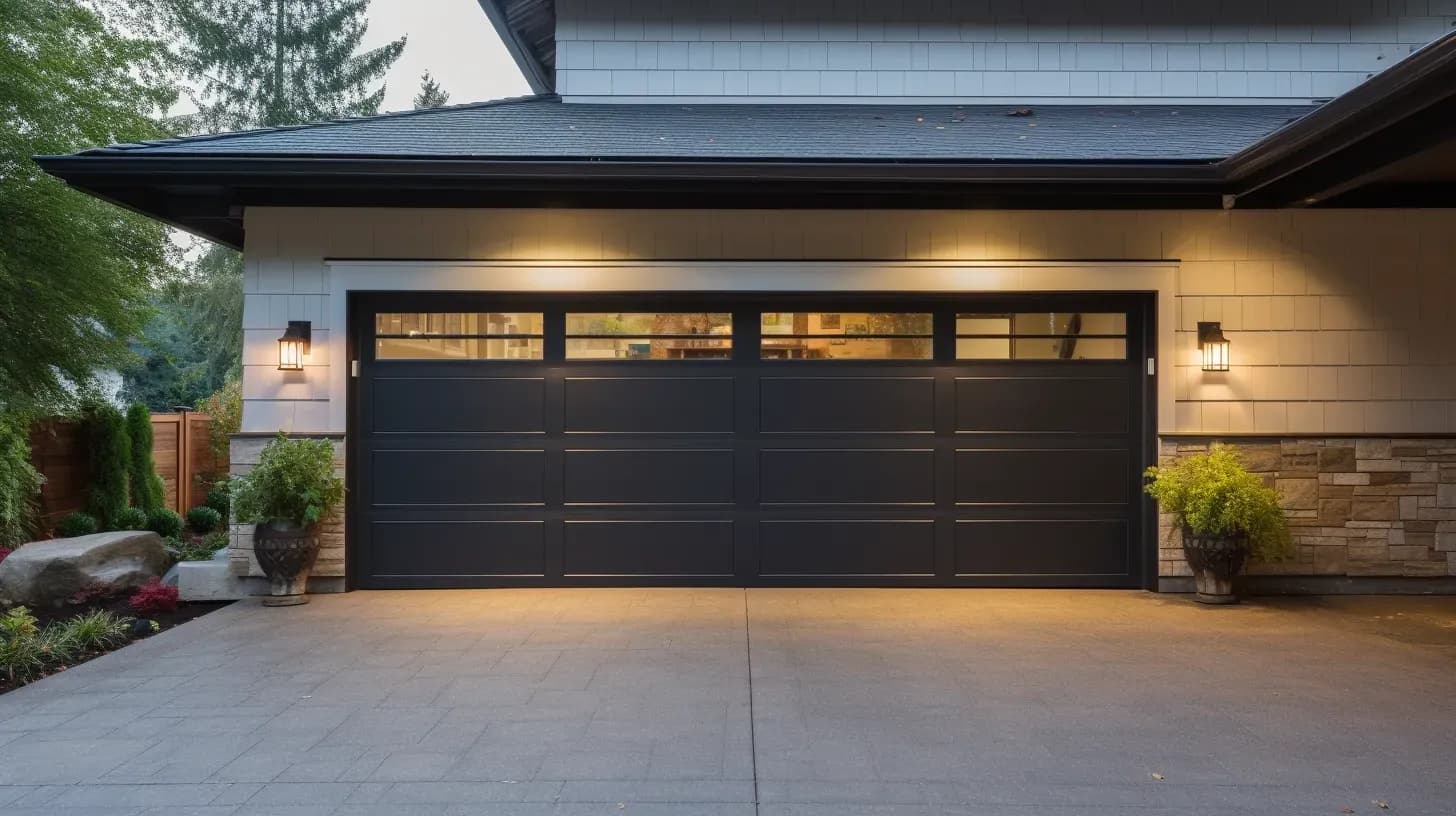
- Choose a 3-layer steel door with polyurethane foam (R-12 to R-16, 1 3/8"–1 3/4")—the foam dampens panel resonance.
- Add nylon 13-ball-bearing rollers; they’re quieter and reduce metal-on-metal friction versus basic steel rollers.
- Use torsion springs (overhead) instead of extension springs (sides) when possible; torsion systems run smoother and quieter.
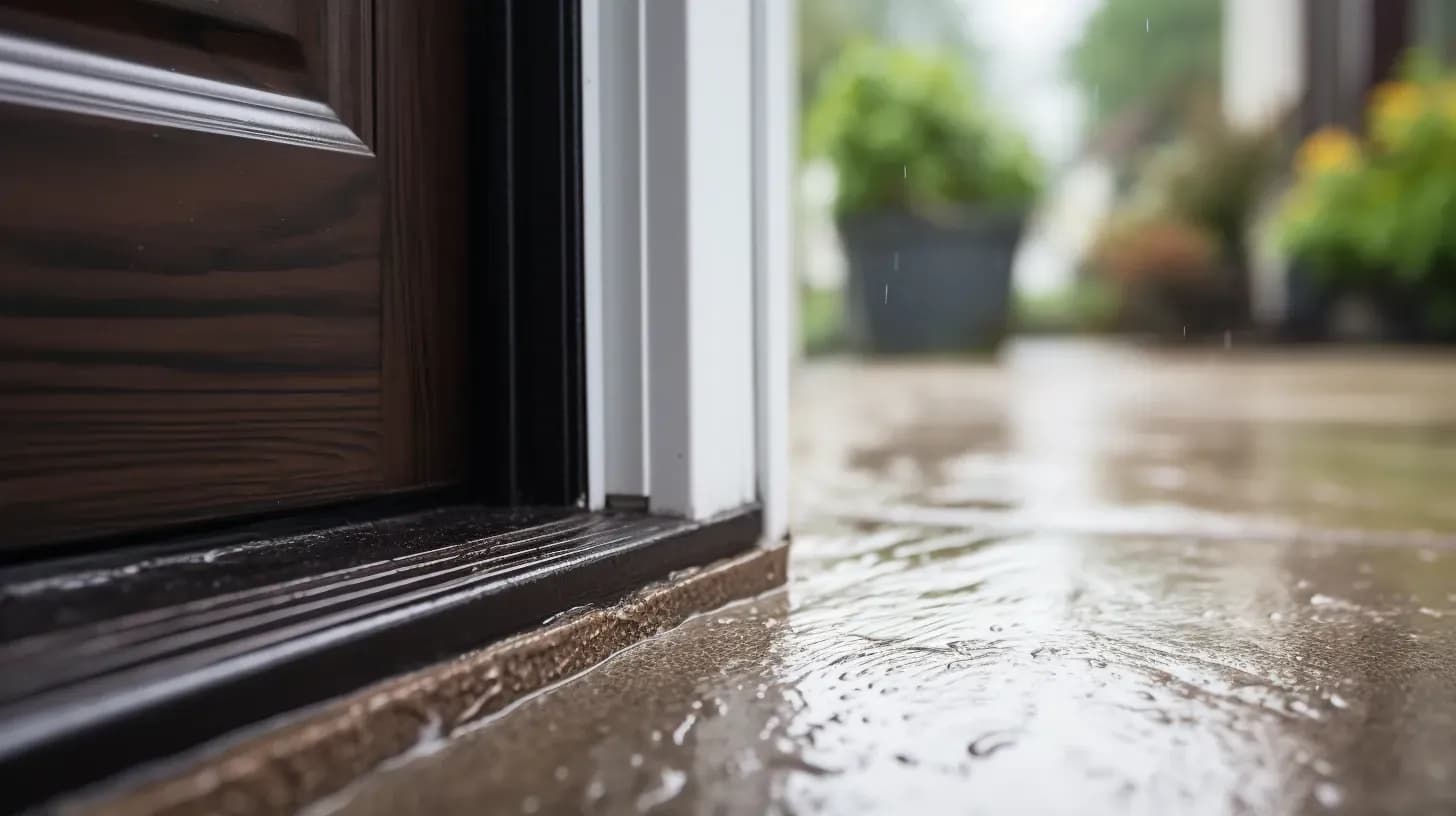
- Upgrade the bottom seal + perimeter weatherstripping to close gaps that whistle in strong Point Grey or White Rock winds.
- For headroom-challenged laneway garages, pair low-headroom drums with a quiet jackshaft opener to avoid rail chatter.
Pick the Right Opener and Mount It Correctly
- DC belt-drive or wall-mount (jackshaft) motors are the quietest; look for soft-start/soft-stop profiles.
- Battery backup + Wi-Fi are worth it here: BC Hydro blips are common, and phone control prevents keypad pounding after 10 p.m.
- Rail isolation: Use rubber or neoprene pads between angle iron and framing; avoid mounting rails to drywall alone.
- Lag length and blocking: In 2x4 ceiling framing (16" or 19.2" OC), span two members with 2x6 blocking so the load isn’t concentrated on one joist.
- If the garage ceiling is concrete (e.g., Richmond parkade), use vibration-damped anchors instead of standard wedge anchors.
Pre-Installation Checklist for Quiet Results
- Measure headroom and sideroom to decide if a jackshaft opener will fit beside the torsion tube.
- Check framing quality: reinforce cracked or spliced joists before hanging any motor.
- Electrical: confirm a dedicated 15A circuit and a ceiling outlet that isn’t shared with noisy appliances.
- Wi-Fi strength: test signal at the opener location so remote control works without repeated retries (retries create extra cycles and noise).
- Strata approvals: document model numbers, dB ratings (if provided), and planned work hours; attach to the Form B package if required.
Installation Details That Keep Things Quiet
- Track alignment: keep tracks parallel and plumb; even 1/4" of pinch can squeal as rollers load up.
- Fastener torque: overtightened hinge bolts create binding; under-tightened track bolts buzz. Hand-tighten, then add a quarter turn.
- Cable tension and balance: a door that’s heavy on one side will slam rails; balance test mid-open—door should hover without motor assist.
- Opener force limits: set the travel force as low as safely possible; high force masks friction and increases banging at stops.
- Seal contact: adjust the bottom seal to kiss, not crush, the slab—over-compression rattles and strains the operator.
Commissioning: Prove It’s Quiet
- Run three full cycles and listen at the party wall and outdoors at the property line.
- Use a phone dB meter app: target consistent readings near or below conversational level (~50–55 dBA) outside during operation.
- Check for resonance points: if a specific joist hums, add isolation pads or re-anchor the angle iron to a different span.
- Document opener force settings, spring turns, and roller type in the job notes for strata records.
Maintenance Schedule for Staying Quiet
- Every 6 months (pre-winter and pre-summer): clean and lube hinges, rollers, and springs with garage-rated lithium or silicone spray.
- Annually: re-check track fasteners, tighten lag screws into wood framing, and inspect weatherstripping for hardening or gaps.
- After major windstorms or seismic events: confirm track alignment and spring balance; Vancouver wind gusts can tweak lighter framing.
- Every battery change: test the opener’s soft-start/stop profile; firmware updates can revert force limits.
When to Pair Door + Opener vs. Door Only
- If your current opener is a chain-drive AC motor, upgrading to a DC belt or jackshaft often cuts perceived noise more than any single hardware tweak.
- If the door panels are uninsulated or dented, replace the door at the same time; reusing noisy panels undermines a quiet motor.
- For condo parkades, upgrading rollers and adding track isolators can help, but motor swap timing should align with strata budgets to avoid double labour.
How We Handle Quiet New Installations in Metro Vancouver
- Site-specific mounting plan: wood-frame laneway vs. concrete parkade vs. townhouse carport.
- Quiet hardware package: insulated 3-layer door, nylon rollers, torsion springs, belt or jackshaft opener with isolation kit.
- Noise validation: we cycle the door with you at the party wall or property line to confirm complaint-safe operation.
- Strata-friendly documentation: we leave a brief report with models, settings, and maintenance cadence you can share with the council.
Ready to spec a quieter setup? Our New Installation service includes insulated doors, quiet openers, and vibration isolation tuned for Metro Vancouver homes and stratas.