Common Causes of Garage Door Cable Repair Needs in Burnaby: Insights from 10 Years of Service

Common Causes of Garage Door Cable Repair Needs in Burnaby: Insights from 10 Years of Service
After a decade of emergency calls in Burnaby—from Brentwood high-rises to steep SFU driveways—frayed or slipped garage door cables remain one of the most urgent (and risky) repairs we handle. Rain, road salt, tight parkade turns, and heavy insulated doors accelerate wear. This guide explains what actually fails, the warning signs to watch, and how to stay safe until a certified technician with proper cones, bars, and WCB coverage arrives.
What Garage Door Cables Do (And Why They Fail Dangerously)
- Torsion systems: Cables wrap onto drums at the header to lift a balanced door; fray or slip here and the door tilts or drops.
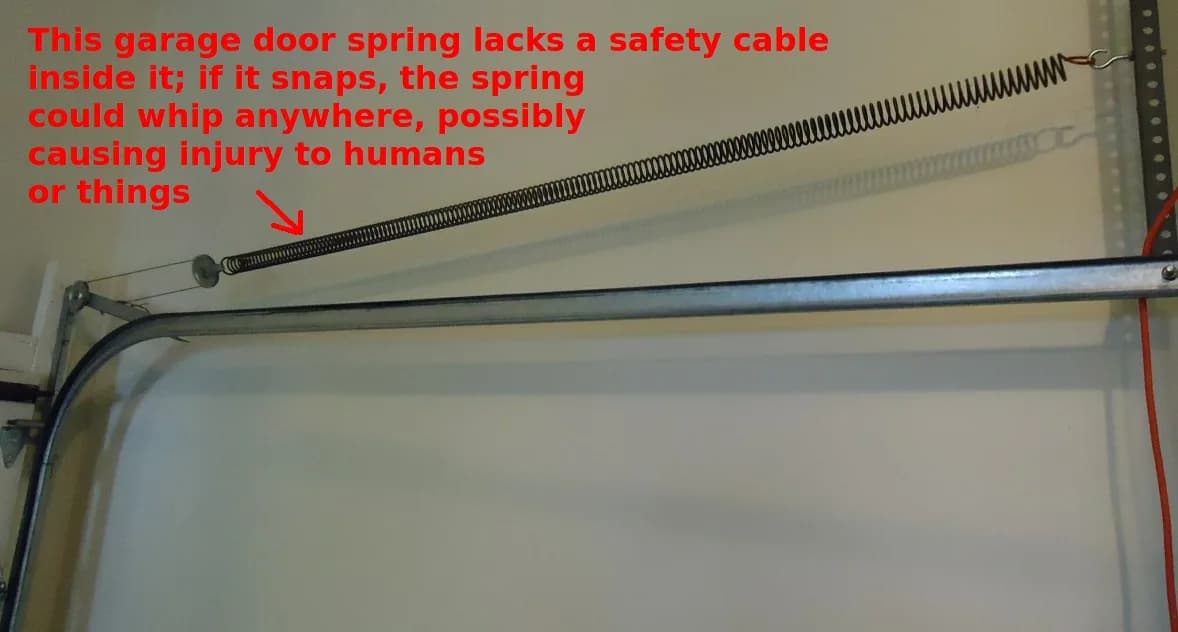
- Extension systems: Cables run through pulleys and safety cables; when they snap, an extension spring can whip free.
- Bottom brackets and set screws are load-bearing parts; a loose fastener can send the cable off the drum in one cycle.
Stop and Unplug If You Notice Any of These
- The door is crooked, stalls mid-travel, or feels heavier than usual when manually lifted.
- You see rusted, “birdcaged,” or thinning strands near the drum or bottom bracket.
- A cable is slack while the opposite side is taut, or the drum has marks where the cable rode over itself.
- Popping/grinding sounds at the shaft or pulleys, or bottom fixtures pulling away from the door stile.
Top Burnaby Cable Failures We See (10-Year Pattern)
-
Rain and Road-Salt Corrosion
Barnet Marine Drive spray and winter brine on Lougheed quickly pit galvanized cable. Once strands rust, they flatten and start stacking on the drum, leading to off-spool events. -
Water Pooling in Parkades
Metrotown and Brentwood parkades often have trench drains right at the door line. Standing water soaks bottom brackets; screws loosen, brackets twist, and cables unseat under load. -
Door Imbalance or Aging Springs
When torsion springs lose torque, one side carries more weight. We see cables climb a drum lip or bind against the end bearing plate—especially on tall carriage doors in Deer Lake. -
Track or Jamb Impact from Tight Turns
Narrow stall angles in Highgate/Evergreen towers lead to bumper taps on the vertical track. Even a slight bend misaligns the drum-plane and can pop a cable during the next cycle. -
Worn or Loose Drums and Pulleys
Set screws that were never re-torqued after a previous repair can walk out. Pulleys with wobble or frozen bearings chew cable sheathing and create hot spots that fray. -
Wrong Cable Size for Heavy, Insulated Doors
Builder-grade 7x7 cables on triple-layer steel or faux-wood doors stretch and birdcage early. We upgrade to 7x19 or powder-coated options when weight or moisture demands it. -
Debris on the Spool Path
Renovation dust and paint chips in the drum grooves cause stacking. We see this often after interior renos where the garage is the staging area. -
Opener Force Masking a Cable Problem
Increasing force settings to “push past” drag can yank a frayed cable until it snaps. If you need more force than before, the door or cables need attention—not more amps.
Safe Steps Before a Technician Arrives
- Unplug the opener at the ceiling outlet; avoid cycling it even once more.
- Keep the door fully down if possible. If it is stuck mid-way, block the opening with a 2x4 to prevent a drop, and keep people clear.
- Do not loosen bottom brackets, drums, or spring hardware—these are live-load components.
- Take photos of both drums, bottom brackets, and any rusted sections; note noises and whether the imbalance started after weather, renos, or a bump.
- If a vehicle is trapped, wait for a tech to secure the door before attempting to move it; side-load wheels in a narrow parkade can worsen the tilt.
What We Inspect and Fix On-Site (Burnaby Checklist)
- Verify door balance and spring cycle life; re-tension or replace pairs if torque is uneven.
- Replace both lift cables together, match diameter and length, and clean/re-groove drums before winding.
- Re-torque drum set screws, inspect shaft keyways, and confirm end bearing plates are tight and plumb.
- On extension systems, replace frayed pulleys and safety cables; confirm equal stretch on both sides.
- Align vertical and horizontal tracks, especially after visible bumper contact or parkade column rubs.
- Lubricate hinges/rollers with garage-rated silicone, and document torque notes and parts SKUs on the invoice.
Time and Cost Expectations (Typical Ranges)
- Cable pair replacement and tune-up: ~45–75 minutes on site when drums and shaft are healthy.
- Cable plus drum or pulley replacement: ~60–90 minutes if set screws or pulleys are worn.
- Add-on fixes we often recommend: sealed-bearing rollers and a fresh bottom bracket set when corrosion is present.
- Ask for written part numbers, torque notes, and proof of insurance/WCB before the tech leaves.
Prevention Plan for Burnaby Garages
- Quarterly: Vacuum/drain any standing water near the door line; wipe drum grooves and bottom brackets.
- Twice yearly: Lubricate hinges, rollers, and spring coils; check that drum set screws are snug.
- After renos: Clear paint chips and drywall dust from the tracks and drums before running the opener.
- For salt-heavy routes (Hwy 1/Lougheed/Barnet): Request coated cables and add drip shields over the end bearing plates.
- Annual pro check: Balance test, cable and drum inspection, track alignment, and opener force limits verification.
When DIY Is Okay vs. When to Call Immediately
- Safe DIY: Cleaning tracks, wiping drum grooves, clearing water, and tightening obvious non-load fasteners on trim.
- Call a pro: Frayed or rusted cables, slack cable on one side, crooked/heavy doors, loose bottom brackets, or any job requiring spring/drum adjustment.
- Rule: If a ladder or force is required—or the door is not level—stop and book a certified technician familiar with Burnaby’s damp, salt-affected garages.